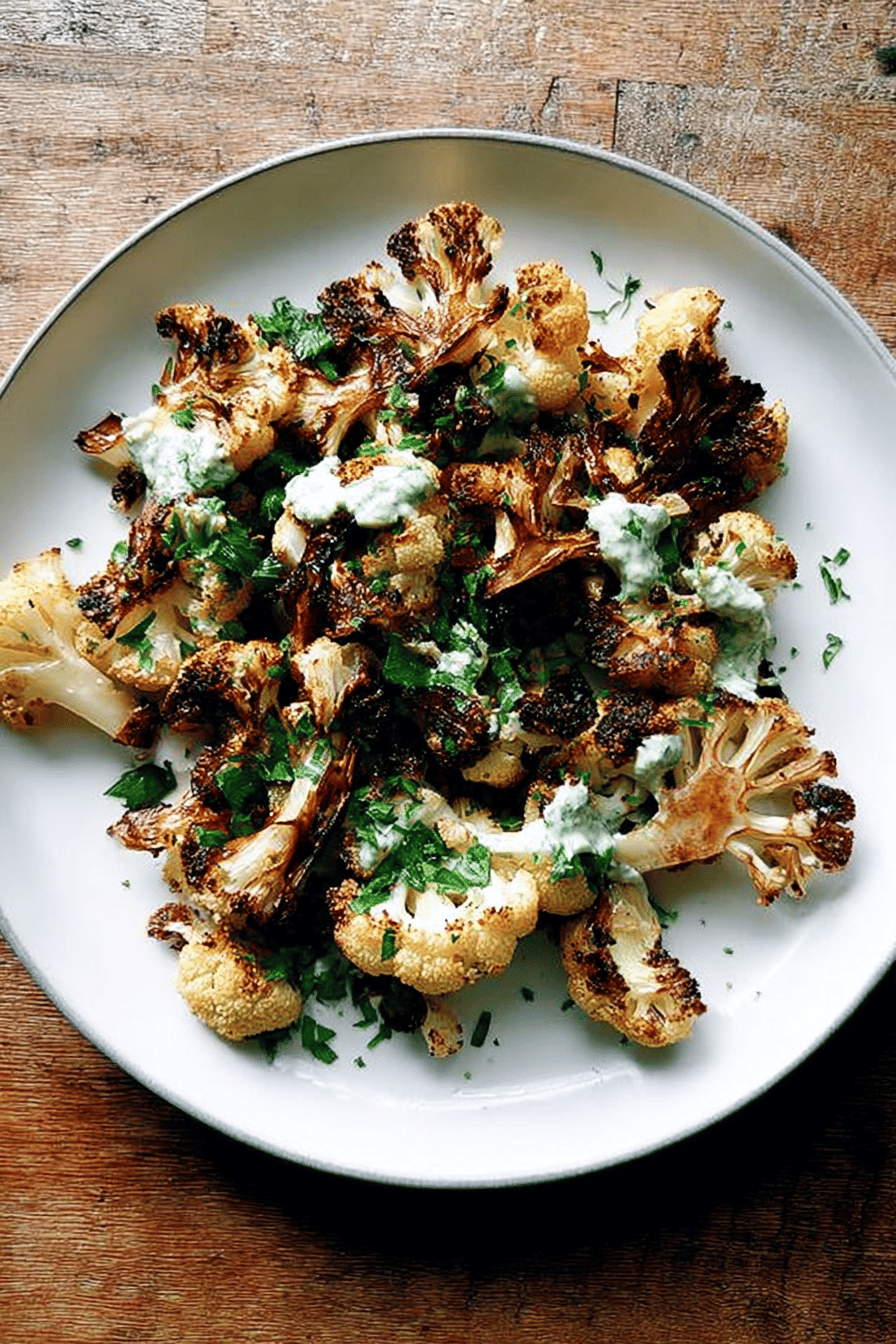
The Unforgettable Allure of Fat Pasha's Roasted Cauliflower: Skhug & Lemony Tahini Sauce
For those who cherish the vibrant, complex flavors of Middle Eastern cuisine, few dishes capture the imagination quite like a perfectly executed whole roasted cauliflower. It's a humble vegetable elevated to star status, a testament to how simple ingredients, when handled with care and seasoned boldly, can create an extraordinary culinary experience. And when we talk about extraordinary, one name consistently comes to mind: Fat Pasha. This Toronto-based Israeli eatery has perfected the art of decadent, flavor-packed vegetarian dishes, none more iconic than their show-stopping whole roasted cauliflower.
This article delves into the magic behind Fat Pasha's legendary creation, focusing on its essential components: the deeply roasted cauliflower, the fiery kick of Skhug, and the creamy embrace of a lemony tahini sauce. We'll explore how these elements combine to deliver a sensory feast and provide you with the insights to recreate a similarly stunning dish in your own kitchen, complete with tips for crafting an incredible roasted cauliflower skhug lemony yogurt sauce variation.
A Culinary Icon in Toronto
Fat Pasha is renowned for taking classic Middle Eastern staples – falafel, hummus, fattoush – and transforming them into opulent, unforgettable versions. Their whole roasted cauliflower, however, is the true jewel in their crown. It arrives at the table with an almost ceremonial grandeur: a magnificent, golden-brown head of cauliflower, often presented with a giant knife plunged into its core, ready for carving. This visual drama sets the stage for what’s to come – a dish that is as much an experience as it is a meal.
The presentation hints at the depth of flavor and texture awaiting. It’s not just a side dish; it’s a centerpiece, a conversation starter, and a deeply satisfying vegetarian option that holds its own against any meat-based offering. The genius lies in its simplicity and the masterful layering of tastes that dance across the palate.
Beyond the Visual: A Symphony of Flavors
What makes Fat Pasha's roasted cauliflower so profoundly delicious? It’s a masterful blend of contrasts and complements. The cauliflower itself is roasted to a tender-crisp perfection, its natural sweetness intensified through caramelization. It’s then generously slathered in a rich, nutty tahini sauce, adorned with glistening pomegranate jewels, and sprinkled with golden toasted pine nuts. Each bite delivers a harmonious blend of savoury, salty, sweet, herby, crunchy, and creamy notes. But the true "BAM" moment comes with the inclusion of Skhug. This vibrant, spicy Yemeni hot sauce cuts through the richness, adding an exhilarating layer of heat and herbaceous complexity that elevates the entire dish from delicious to truly unforgettable.
Skhug: The Fiery Heart of Yemeni Cuisine
No exploration of this iconic dish would be complete without a deep dive into Skhug. This potent, aromatic hot sauce is a cornerstone of Yemeni cuisine and a beloved condiment throughout the Middle East. It’s the secret weapon that injects bold personality and an invigorating warmth into the roasted cauliflower.
What is Skhug?
At its core, Skhug is a vivid, fresh hot sauce typically made from fresh green or red chilies, a generous amount of fresh cilantro (and sometimes parsley), garlic, and a blend of earthy spices like cumin, coriander, cloves, and black pepper. Its texture can range from a chunky relish to a smoother paste, depending on preparation. The flavor profile is incredibly dynamic: intensely spicy from the chilies, bright and herbaceous from the cilantro, and deeply aromatic from the ground spices, which add layers of warmth and complexity. It's a condiment that doesn't just add heat; it adds a profound depth of flavor.
Green vs. Red Skhug and Spice Level Customization
Skhug typically comes in two main varieties:
- Green Skhug (Skhug Yarok): Made predominantly with green chilies and cilantro, it tends to be incredibly fresh and vibrant, often possessing a slightly sharper heat. This is the variety often favored for its bright color and herbaceousness, providing a striking contrast to other dish components.
- Red Skhug (Skhug Adom): Utilizes red chilies, sometimes with the addition of roasted red peppers or tomatoes, yielding a richer, sometimes smokier flavor profile and a deeper hue.
When preparing Skhug at home, the beauty lies in its adaptability. You have complete control over the spice level. If you're heat-averse, start with milder chilies like jalapeños, or remove the seeds and membranes from spicier varieties. For those who crave intense heat, potent green Thai chilies or bird's eye chilies will deliver a powerful punch. The key is to taste as you go and adjust the quantity of chilies to suit your preference. Even a small amount can impart significant warmth and flavor without overwhelming the dish.
Skhug's Incredible Versatility
While Skhug is undeniably stellar with roasted cauliflower, its applications extend far beyond. Its vibrant, spicy, and herbaceous character makes it an incredibly versatile condiment. Drizzle it generously over hummus, spread it inside pita pockets with falafel, stir it into grain salads for an instant flavor boost, whisk it into salad dressings, or use it to perk up soups and stews. It's even fantastic as a marinade for grilled vegetables or proteins. Once you discover the magic of Skhug, you'll likely find yourself, like many enthusiasts, wanting to "pour Skhug over your entire life!"
Crafting the Lemony Tahini Sauce: Creamy Perfection
Complementing the fiery Skhug and the robust roasted cauliflower is the soothing, creamy embrace of a lemony tahini sauce. This sauce acts as a cooling counterpoint, balancing the heat while adding its own nutty, tangy, and rich character. It's a staple in Middle Eastern cuisine and a must-have for this dish.
The Foundation: High-Quality Tahini
The success of your tahini sauce hinges on the quality of your tahini. Tahini is a paste made from ground sesame seeds, much like peanut butter. Look for a brand that is smooth, pourable (not too thick or pasty), and has a light, nutty aroma without any bitterness. Good quality tahini should have a naturally sweet, earthy flavor. Stirring your tahini well before use is crucial, as the oil often separates and rises to the top.
Building the Sauce: Lemon, Water, and Optional Yogurt
A classic lemony tahini sauce is deceptively simple to make, requiring just a few key ingredients:
- Tahini: The base for richness and nutty flavor.
- Fresh Lemon Juice: Essential for brightness and acidity, it helps to emulsify the tahini and cuts through its richness. Don't skimp on this!
- Warm Water: Crucial for achieving the perfect creamy consistency. Adding it gradually and whisking vigorously will transform the thick tahini into a smooth, pourable sauce.
- Salt: To enhance all the flavors.
To make the sauce, simply whisk the tahini and lemon juice together – it will seize up and become very thick initially. Don't worry, this is normal! Gradually whisk in the warm water, a tablespoon at a time, until the sauce transforms into a smooth, creamy, and pourable consistency that coats the back of a spoon. Taste and adjust for salt and lemon.
For those looking to achieve a tangier, slightly lighter texture, incorporating a dollop of plain yogurt creates a fantastic variation often referred to as a "lemony tahini yogurt sauce." This addition introduces a pleasant tartness and can make the sauce feel less heavy, making it an excellent component for a roasted cauliflower skhug lemony yogurt sauce experience. If opting for yogurt, reduce the amount of water slightly, as the yogurt will add moisture. This variation not only broadens the flavor profile but also helps to naturally incorporate our main keyword. For a more in-depth exploration, check out our guide on
Spicy Roasted Cauliflower with Skhug & Lemony Tahini Yogurt.
Optional Enhancements
To further personalize your lemony tahini sauce, consider these additions:
- Minced Garlic: A small clove can add a pungent depth.
- Fresh Parsley or Cilantro: Chopped herbs can brighten the sauce.
- Sumac or Za'atar: A pinch of either can add an extra layer of Middle Eastern aroma and tang.
Recreating the Magic at Home: A Step-by-Step Guide
Bringing the grandeur of Fat Pasha's roasted cauliflower to your own table is surprisingly achievable. With a few key steps, you can create a dish that is both stunningly beautiful and incredibly satisfying. For a broader perspective on this type of preparation, our article on
Middle Eastern Whole Roasted Cauliflower: Skhug & Lemony Yogurt offers additional insights.
Perfecting the Roast
The foundation of the dish is, of course, the cauliflower.
- Preparation: Choose a medium-to-large head of cauliflower. Remove any outer leaves, trim the stem flat so it can sit upright, but keep the core intact to hold the head together. For a quicker cook time, or if you prefer individual portions, you can also break the cauliflower into large florets.
- The Rub: While Fat Pasha reportedly uses a spice-infused coconut oil, a blend of olive oil and Middle Eastern spices works wonderfully. Whisk together olive oil with ground cumin, coriander, turmeric, smoked paprika, a pinch of chili flakes, salt, and black pepper. Generously rub this mixture all over the cauliflower, ensuring it gets into all the nooks and crannies.
- Roasting: Place the seasoned cauliflower on a baking sheet. Roast in a preheated oven (around 400°F / 200°C) for 45-75 minutes for a whole head, or 25-35 minutes for florets, or until deeply golden brown, tender when pierced with a knife, and slightly charred at the edges. Roasting intensifies its flavor, giving it a sweet, nutty depth.
Assembling Your Culinary Masterpiece
Once your cauliflower is roasted to perfection, it's time to bring all the elements together.
- Base: Place the whole roasted cauliflower (or a generous serving of florets) on a serving platter.
- Skhug Application: Dollop or drizzle a generous amount of your homemade (or high-quality store-bought) Skhug over the warm cauliflower. How much you use depends on your spice preference!
- Lemony Tahini Sauce: Spoon a creamy stream of the lemony tahini sauce (or lemony tahini yogurt sauce) over the Skhug and cauliflower. The visual contrast of the red/green Skhug and white tahini is part of the dish's appeal.
The Finishing Touches
Garnishes are not just for show; they add crucial textural and flavor components.
- Pomegranate Seeds: Their vibrant color and burst of sweet-tart juice provide a refreshing counterpoint.
- Toasted Pine Nuts: Add a wonderful crunch and rich, buttery flavor. Toast them lightly in a dry pan until golden for maximum aroma.
- Fresh Herbs: A sprinkle of fresh cilantro or parsley enhances the herbaceous notes and adds visual appeal.
Tips for Success and Creative Variations
Making this roasted cauliflower dish your own is part of the fun. Here are some tips and ideas for customization:
Cauliflower Choice and Prep
Whether you opt for a dramatic whole roasted head or convenient florets, ensure even cooking by either par-boiling the whole cauliflower for 10-15 minutes before roasting or cutting florets into similar sizes. For an even quicker and crispier result, roasted cauliflower florets can also be prepared in an air fryer.
Spice Level Management
Don't be afraid to experiment with your Skhug. If you prefer a milder version, use fewer or milder chilies, or dilute a spicier Skhug with a bit of olive oil or lemon juice before serving. Conversely, a few extra chili flakes in your cauliflower rub can amp up the heat from the get-go.
Serving Suggestions
This dish is incredibly versatile. It shines as:
- A Vegetarian Main Course: Serve it with a side of fluffy couscous or a simple green salad.
- A Mezze Platter Star: Alongside hummus, baba ghanoush, warm pita, and olives.
- An Impressive Side Dish: Accompanying grilled lamb, chicken, or other roasted vegetables.
Dietary Considerations
This dish is naturally vegan (if you omit the yogurt from the tahini sauce) and gluten-free, making it a fantastic option for a wide range of dietary preferences.
The Fat Pasha roasted cauliflower with Skhug and lemony tahini sauce is more than just a recipe; it’s an experience. It embodies the essence of Middle Eastern cuisine – bold flavors, fresh ingredients, and a communal spirit. By combining the earthy sweetness of perfectly roasted cauliflower with the fiery herbaceousness of Skhug and the creamy tang of a lemony tahini (or tahini yogurt) sauce, you create a dish that is deeply satisfying, visually stunning, and bursting with unforgettable flavors. Embrace the process, customize to your taste, and prepare to impress your senses and your guests with this truly remarkable vegetarian masterpiece.